
About Whangarei
An Overview of Whanagarei
Whangarei, situated in the Northland region of New Zealand, stands as the northernmost city in the country.
Its geographical location provides an important confluence of natural beauty and urban amenities, making it a pivotal gateway to Northland's breathtaking landscapes and diverse activities. As the largest urban center in Northland, Whangarei plays a crucial role in regional commerce, culture, and tourism, efficiently linking travelers to the stunning coastal areas and charming towns that characterize this region.
Home to approximately 55,000 residents, Whangarei boasts a vibrant and diverse population. This diversity enriches the local culture, bringing together a blend of traditions and influences from Māori heritage and European settlers. The cultural significance of Whangarei is further highlighted by various community events, art exhibitions, and festivals that showcase the rich tapestry of its people. Notably, the city is also known for its commitment to preserving Māori culture, which is evident in numerous artworks, language initiatives, and historical commemorations throughout the area.
The historical background of Whangarei dates back to the early 19th century, marked by the establishment of the first European settlers and later followed by the development of infrastructure that propelled its growth. As a city that evolved from a small settlement, Whangarei has transformed into a thriving urban hub while maintaining its connection to nature, evident in its proximity to picturesque beaches, parks, and marine reserves. This blend of history, culture, and geographic significance contributes to Whangarei's unique identity, making it a captivating destination for both residents and visitors alike.
Natural Attractions in Whangarei
Whangarei, often touted as a hidden gem in New Zealand, offers a wealth of natural attractions that invite outdoor enthusiasts to explore its breathtaking landscapes. One of the crown jewels of this region is the Whangarei Heads, where rugged cliffs meet the azure waters of the ocean. This area is perfect for those who enjoy hiking and provides numerous trails that cater to various skill levels, allowing visitors to trek through lush vegetation and enjoy panoramic views of the coastline.
In addition to the Whangarei Heads, the region is home to stunning beaches that beckon visitors for relaxation and recreational activities. The beautiful sands of Pataua Beach and the serene atmosphere of Matapouri Bay are ideal for swimming and sunbathing, making them popular destinations throughout the warmer months. These beaches provide a safe haven for many families and serve as perfect spots for picnics, water sports, and beachcombing along the shore.
For those who appreciate the mix of adventure and culture, the area also boasts the Whangarei Falls. This majestic waterfall flows with great force and offers a picturesque backdrop for photography enthusiasts. Visitors can easily access viewing platforms, allowing for an engaging experience of this natural wonder. Close to the falls, the surrounding forest is home to native wildlife and provides excellent opportunities for birdwatching and walking among the trees.
Another must-visit location is the Tutukaka Coast, renowned for its stunning scenery and vibrant marine life. Kayaking and snorkeling in this region provide close encounters with the diverse underwater ecosystem, making it a favorite among marine enthusiasts. The natural attractions of Whangarei are not only visually appealing but also offer an array of activities that cater to both relaxation and adventure, ensuring that every visitor can find something to enjoy amidst the breathtaking landscapes.
Cultural and Historical Highlights
Whangarei, a city rich in cultural and historical significance, boasts deep-rooted Māori heritage that forms the backbone of the local identity. The area is primarily inhabited by the Ngāti Wai and Ngāti Hine iwi, whose traditions and customs are integral to the fabric of this vibrant community. The ancestral connections of these tribes to the land are not only a point of pride but also a focal aspect of the historical narrative of Whangarei.
One of the key cultural landmarks in Whangarei is the Claphams National Clock Museum, which houses an extensive collection of clocks and timepieces, spanning from the 16th century to present times. This museum not only showcases the craftsmanship involved in clock-making but also reflects the city’s dedication to preserving its unique cultural artifacts. Visitors can explore the intersection of timekeeping and local history, allowing for a greater understanding of the evolution of technology and its relationship to daily life.
Another significant venue is the Whangarei Art Museum, which highlights contemporary New Zealand art and engages with the local community through exhibitions and educational programs. This institution serves as a platform for both established and emerging artists, encapsulating the creative spirit of the region. Additionally, the museum often features works that celebrate Māori culture, ensuring that traditional art forms continue to thrive.
The cultural vibrancy of Whangarei is further exhibited through various festivals and events throughout the year, such as the Matariki Festival, which marks the Māori New Year. This celebration of community, culture, and heritage draws people together, fostering a sense of belonging and connection. With its rich tapestry of Māori customs and a robust artistic scene, Whangarei stands as a testament to the harmonious blend of tradition and modernity.
Living and Working in Whangarei
Whangarei presents a unique lifestyle that appeals to both residents and potential newcomers. Nestled in the heart of Northland, this vibrant city offers a relaxed atmosphere intertwined with a range of community amenities that enhance day-to-day living. The cost of living in Whangarei is relatively affordable compared to other major urban centers in New Zealand, making it an attractive option for families, retirees, and professionals alike.
The local economy is diverse, encompassing sectors such as agriculture, tourism, manufacturing, and retail. Whangarei’s strategic location and access to natural resources have fostered growth in these industries, providing a variety of job opportunities for those seeking employment. Notably, the region’s tourism sector has been on the rise, with many businesses catering to visitors exploring the area's stunning landscapes and cultural heritage.
As for daily life, residents enjoy a range of amenities including shopping centers, recreational facilities, and healthcare services. The community is known for its friendly atmosphere, where locals often engage in numerous social activities and events throughout the year. Whangarei’s arts and culture scene is vibrant, offering various galleries and performance spaces that showcase local talent. Furthermore, outdoor enthusiasts can take advantage of the surrounding natural beauty, with numerous parks, beaches, and hiking trails.
Whangarei fosters a sense of belonging and community spirit that can be immensely rewarding for new residents. The welcoming nature of the locals creates an inviting environment, easing the transition for those moving from other areas. For anyone considering a shift in lifestyle or career, exploring Whangarei presents a compelling case for a fresh start in one of New Zealand's hidden gems.
Sed non mauris vitae erat consequat auctor eu in elit. Class aptent taciti sociosqu ad litora torquent per conubia nostra, per inceptos himenaeos. Mauris in erat justo.
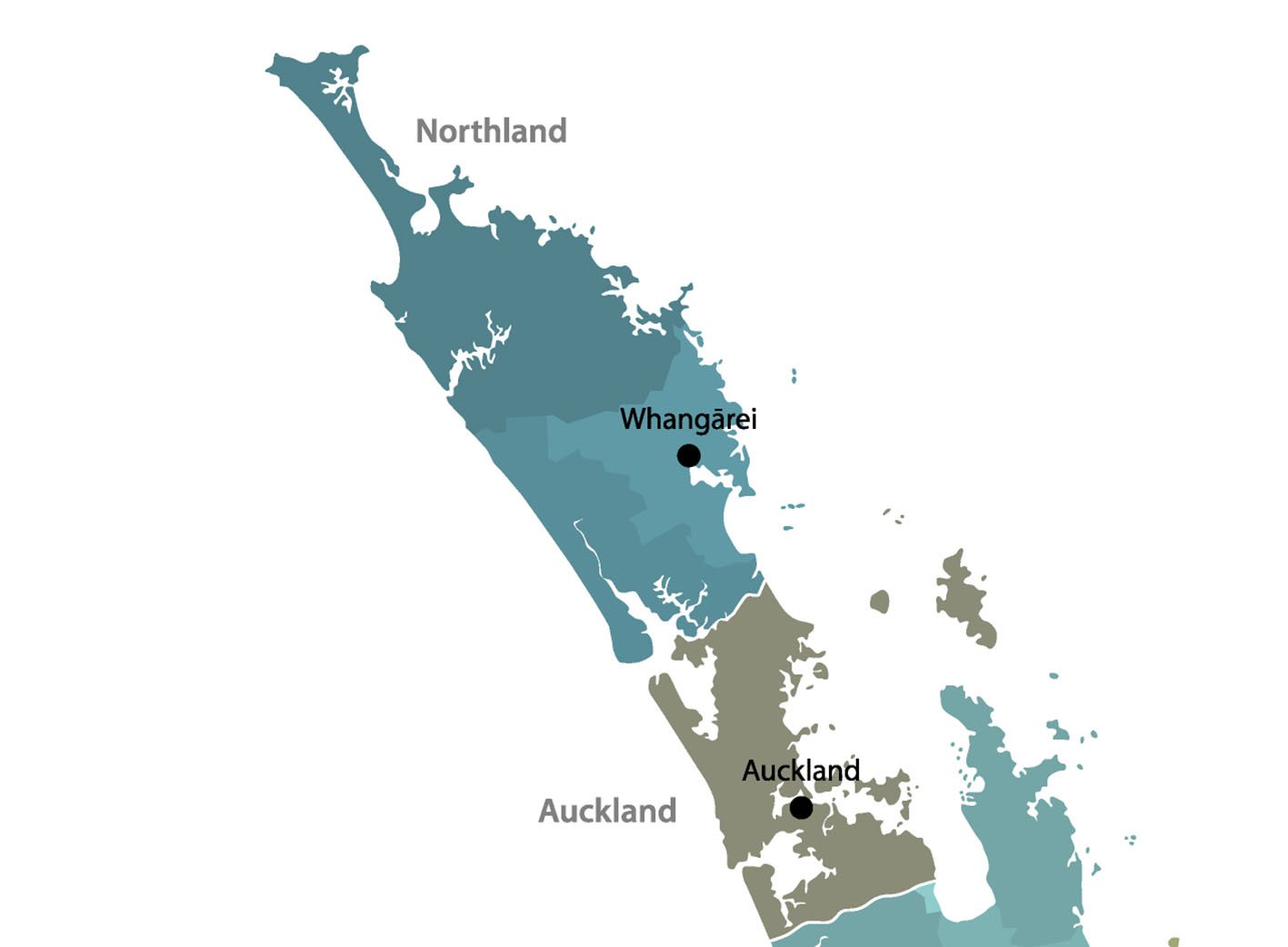
Location of Whangarei
Where to Stay and Practical Visitor Information
Whangarei offers a range of accommodation from budget lodges to upscale hotels, and visiting is straightforward with easy access from Auckland. The city works well as a base for exploring Northland's beaches and natural attractions.
Accommodation Options in Whangarei
The city center provides the most convenient location for accessing restaurants, shops, and cultural sites. Quest Whangarei offers apartment-style rooms with kitchenettes, making it a solid mid-range choice for families or longer stays. The property sits close to the Town Basin and main shopping areas.
For full-service hotels, Distinction Whangarei Hotel & Conference Center includes an on-site restaurant, fitness facilities, and meeting spaces. The rooms are modern and well-maintained.
Budget travelers can consider BK's Pohutukawa Lodge, which provides basic accommodation at lower rates. The lodge sits slightly outside the CBD but still within easy driving distance of main attractions.
If you prefer staying near beaches, look for accommodation around Whangarei Heads or Tutukaka. These coastal areas put you closer to surf spots and hiking trails, though you'll need a car to reach the city center.
Travel Tips and Getting Around
You need a car to fully explore Whangarei and the surrounding area. Public transportation is limited, and most beaches, caves, and hiking trails require personal transport.
The drive from Auckland takes about 2 hours 45 minutes via State Highway 1. Most visitors rent vehicles in Auckland before heading north. Rental companies include major international brands and local operators.
Park for free at most natural attractions like Whangarei Falls and Waipu Caves. The city center has both street parking and paid lots.
Bring waterproof footwear for cave visits and beach walks. Pack layers since weather can change quickly, even in summer. Cell phone coverage works well in the city but can be spotty in remote coastal areas.
Best Times to Visit
Summer months from December to February bring warm temperatures and the most visitors. Beaches get crowded during this peak season, and accommodation prices increase.
Visit between March and May for milder weather and fewer tourists. The ocean stays warm enough for swimming, and hiking conditions remain excellent.
Winter (June to August) brings cooler temperatures and more rain. Some beaches and surf spots still work during this period, but check weather forecasts before visiting caves since they can flood.
Spring (September to November) offers good weather and lower prices than summer. This season works well for hiking and exploring without the peak season crowds.